“Great works are performed not by strength, but by perseverance.” – Samuel Johnson
Weekly Focus: Tapas (purification)
The word tapas comes from the root word “tap” meaning to heat or burn. Tapas refers to the practices of self-discipline, austerity and perseverance to help us combat negative habits, thoughts and desires. This practice brings us to a state of transformation, where we cultivate positive qualities that allow us to tap into our deep inner well of strength and vitality.
Tapas is the third Niyama or personal observance. Because the root of this word means to heat or burn, it is easy to attach ourselves only to the fiery nature of the practice. You may have heard tapas referred to as the fire in your practice, building heat and working hard 🥵, but tapas is much bigger than a challenging asana (postural) practice. Sure, we can definitely find tapas there, but it gets much more interesting and and transformational off the mat!
Tapas is austerity and perseverance — the ability to continue on when it is easier to give up. I actually think that finding a “heat” in your physical practice is easier than finding that same dedication to inner self-transformation. The asana practice will end in 60 minutes, self-transformation is life-long and requires that we dig deep in the discomfort.
Tapas asks us to get uncomfortable. In order to find transformation, we must first seek what we are looking to transform. This means looking at those shadowing, uncomfortable parts of ourselves. Sometimes we forget about the emotional discomfort of a full scope yoga practice. Here’s the thing though, while it can feel icky to recognize the aspects of ourselves that are challenging, it ultimately opens us to a pathway of acceptance, grace and potential. Tapas creates opportunity to cultivate new and more positive qualities such as will-power, focus and determination.
It is through this devotional work of tapas that we see spiritual transformation — a transformation of how we see and connect with Self.
What is something that you want to do or not do every day that will have a positive effect on your life? Think small and simple, achievable, but challenging enough to engage the will.
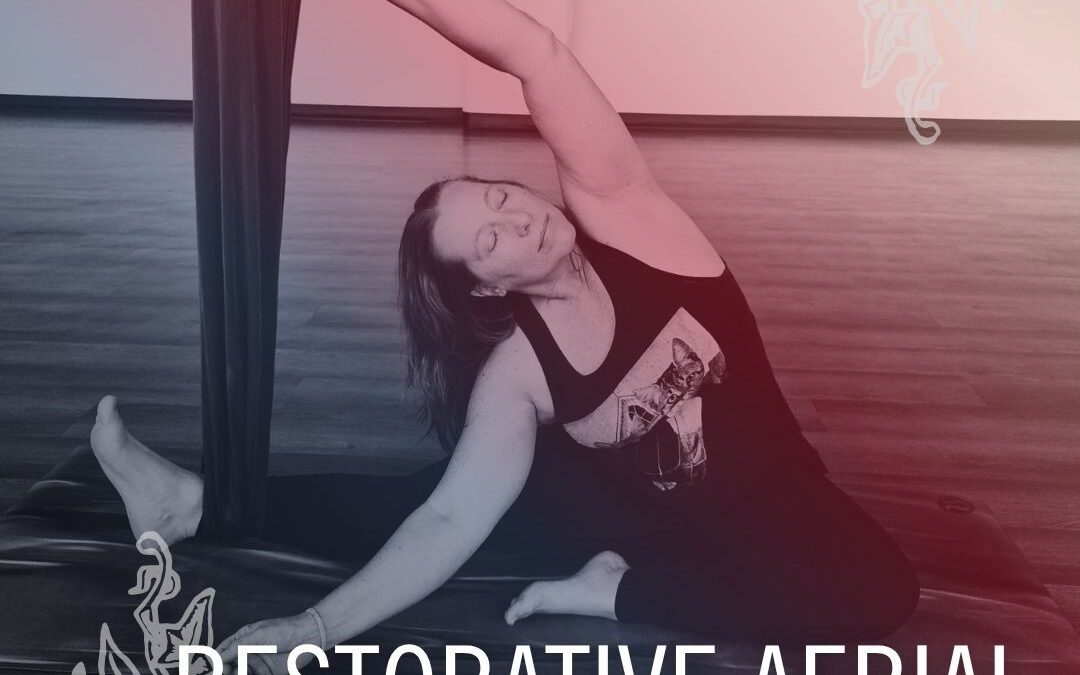
Passive Pose of the Week: Reclined Crescent

Side bends open and stretch the lungs helping to move, clear and purify stagnant energy in the body. The posture is open and receptive, signifying our willingness to step into discomfort and reach beyond our comfort levels.
- Begin lying on the floor.
- Stretch your arms overhead to the room behind you.
- Walk your hands and feet to the left corners of your mat. If you like, you can cross your right ankle over your left foot and grab hold of your right wrist with your left hand.
- Take 5- 7 deep breaths, directing the breath into the right ribs.
- Switch sides.
A reclined crescent pose stretches and lengthens the lateral sides of the body. It feels like Summer but we are still on the tail end of Spring. In Ayurveda (the sister science to Yoga), we use side bends to help clear away the staleness of Winter and engage a feeling of lightness in the body. Side bends also bring a sense of energy and awakening to the body with a full body stretch. They expand the ribs and lungs for more expansive breathing, important as the natural world starts to awaken as well.
Active Pose of the Week: Parivrtta Utkatasana (twisted chair)

This fierce pose calls to mind the dedication we find in tapas. It is a challenging and intense posture to settle into, but brings with it a sense of power and strength, qualities we may hope to cultivate with tapas. Twists help us to purify or “burn away” that which we no longer desire to hold onto, making room for more positive qualities to set in.
- Begin in a standing Mountain pose (tadasana).
- Sit down into chair pose, bending the knees and dropping the hips.
- Bring your hands to heart center. Inhale, and as you exhale, rotate your torso to the right.
- If it feels comfortable bow your chest forward and connect your left elbow to your right knee. Look anywhere that is comfortable on the neck.
- Hold for 3 – 5 breaths before standing up and switching sides.
This can be a tricky twist to navigate, but there are several methods you might use to find a comfortable position. If you are used to trying to keep your knees squeezed together, try letting your hips rotate with you so that the right knee slides back some. This may give you more room to twist. If it feels uncomfortable in the shoulders or upper back, try bringing your left hand to your knee and your right hand to your hip. This may allow more space to rotate in the upper spine while using a bit of traction with the hands against the legs to help.
Join us in class this week to practice your tapas. See the full schedule HERE.
To get weekly updates from our parent brand, Myriad Fitness + Yoga, follow our weekly podcast “For Time.”